No fabric can replace a comfortably cool bedroom, but breathable bedding can reduce the heavy, clammy feeling that interrupts sleep. Focus on airflow, moisture management and adjustable layers rather than a single “cooling” label.
Choose a breathable duvet
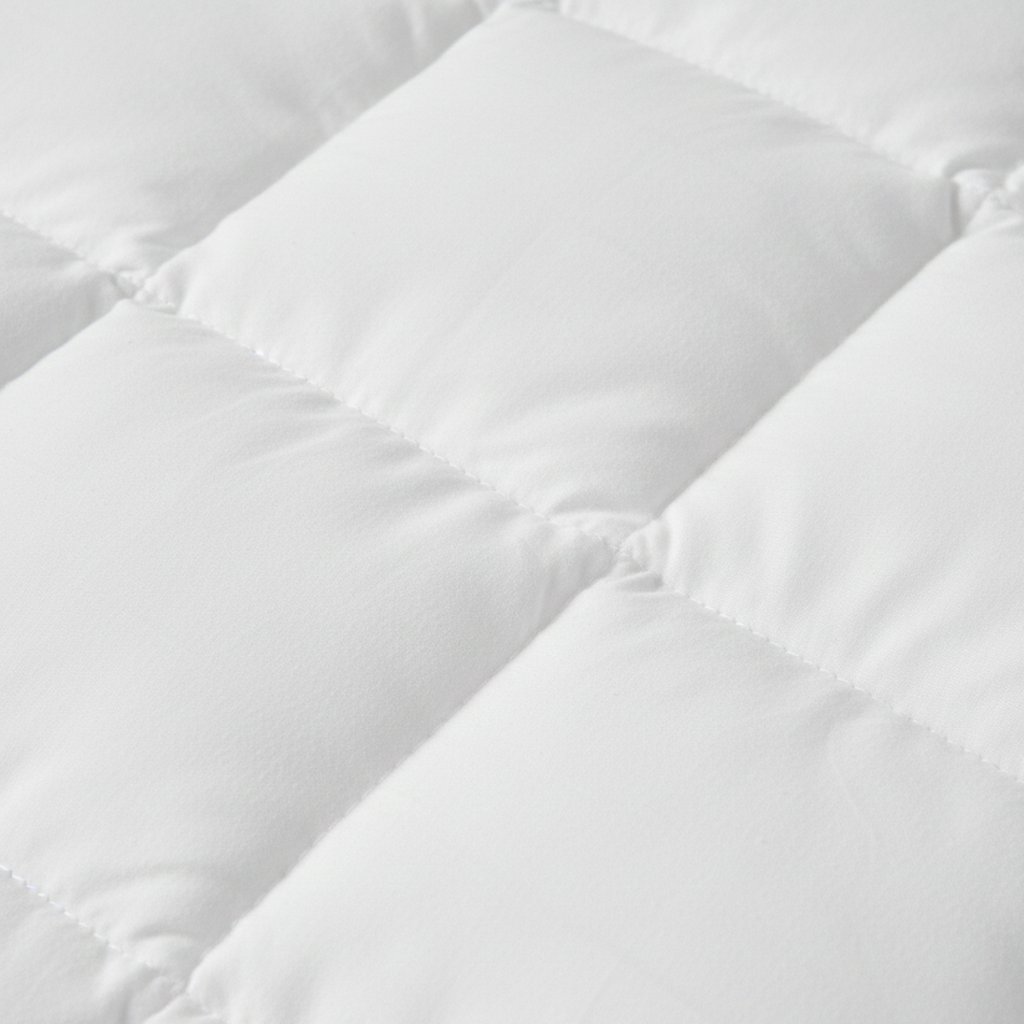
A lighter all-season duvet with a breathable outer fabric is often more adaptable than a very warm filling. Look at both filling weight and construction. Evenly distributed filling avoids dense hot spots, while a cover made from smooth bamboo-based fabric can improve the sensation against the skin.
Layer instead of overheating
Several light layers are easier to adjust than one very warm duvet. Keep a breathable sheet or light duvet as the base and add a throw only when needed. If you share the bed, separate duvets can help each person manage a different preferred temperature.
The bedroom matters too
Ventilate before bed, reduce heat-producing electronics and use curtains to limit daytime sun. Breathable sleepwear and a consistent room temperature support the bedding. If night sweats are new, severe or persistent, seek medical advice rather than relying only on textile changes.
This guide provides general product and comfort information. It is not medical advice and does not replace guidance from a qualified healthcare professional.